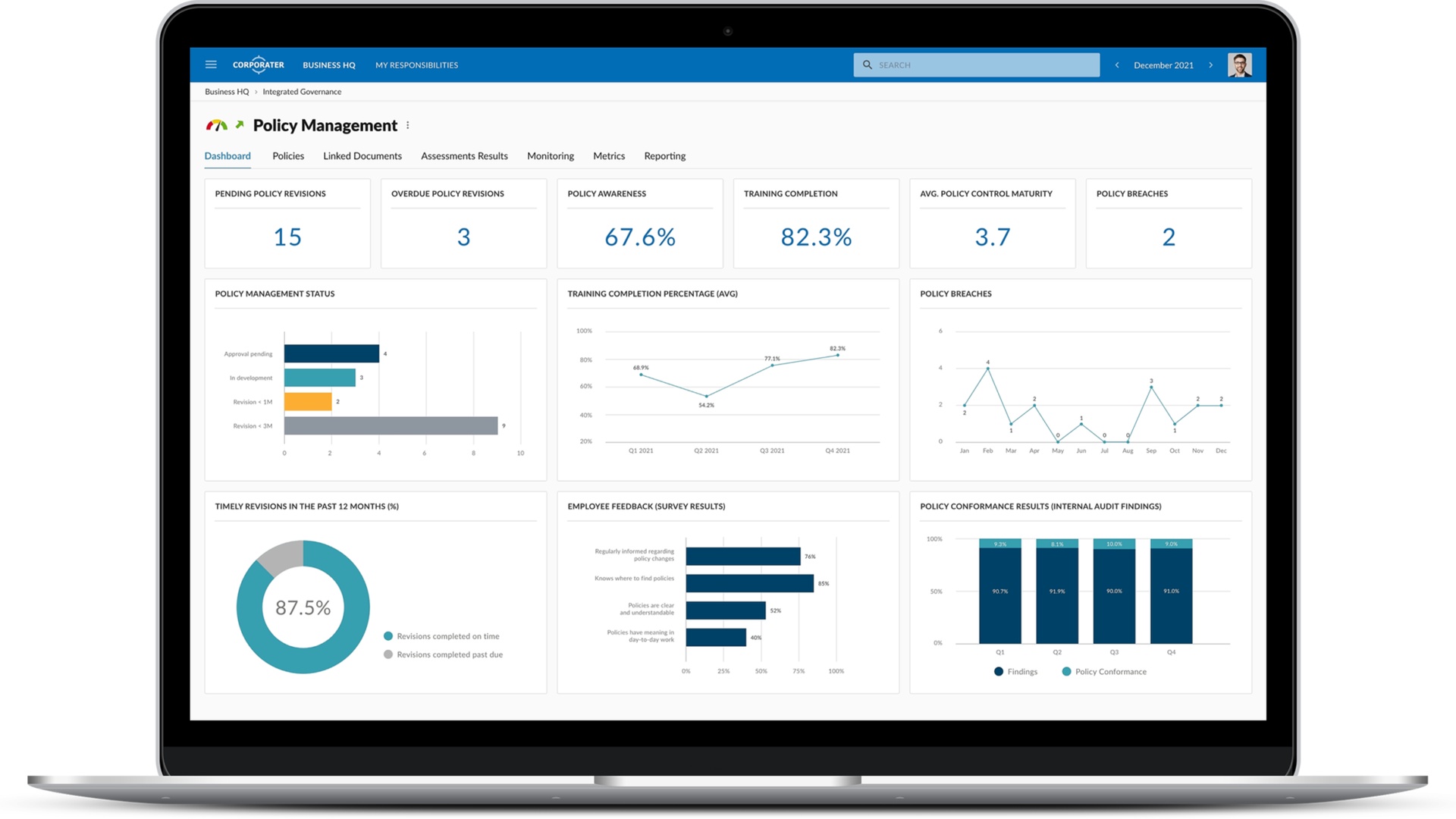
I've spent the last two decades helping organizations build meaningful diversity, equity, and inclusion strategies, and I can tell you this: most companies are drowning in DEI data but starving for insight. They're tracking headcount percentages by demographic, monitoring training completion rates, and celebrating surface-level metrics that tell them absolutely nothing about whether inclusion is actually improving in their organization.
This is what I call the measurement trap — and it's killing DEI progress across corporate America.
Just last month, I worked with a Fortune 500 company whose CHRO proudly showed me their "DEI dashboard." It was filled with colorful charts showing 47% women in the workforce, 98% completion rate on unconscious bias training, and six employee resource groups with 2,000+ members. The data looked impressive. The reality? Their latest engagement survey showed that 73% of employees from underrepresented groups felt they had to "code-switch" to succeed, promotion rates for Black employees lagged 40% behind their white counterparts, and three senior diverse leaders had left in the past six months citing "cultural misalignment."
The problem isn't that organizations don't want to measure DEI effectively — it's that they don't know what actually matters. They're using industrial-age metrics to solve information-age inclusion challenges. And in 2024, with DEI under unprecedented scrutiny and budget pressure, this measurement gap isn't just inefficient — it's existentially dangerous for DEI programs.
The Strategic Imperative for Meaningful DEI Measurement
Here's what I've learned after working with hundreds of organizations: you can't manage what you don't measure, but measuring the wrong things is worse than not measuring at all. When your DEI dashboard is filled with vanity metrics — numbers that look good in board presentations but don't drive actual behavior change — you create a false sense of progress that prevents you from addressing the real barriers to inclusion.
The solution isn't more data. It's better data architecture. That's why I developed the D&I Dashboard framework as part of my Big Six Formula for Success, detailed in both "Diversity & Inclusion: The Big Six Formula for Success" and refined further in "The Inclusion Solution." This isn't just another measurement tool — it's a strategic framework that organizes your DEI metrics into six meaningful categories that actually drive business outcomes: workforce, marketplace, community, leadership, culture, and accountability.
The D&I Dashboard transforms your measurement approach from reactive reporting to proactive strategy. Instead of asking "How diverse are we?" it helps you answer "How inclusive are we becoming, and what's driving that change?"
Workforce Metrics: Beyond Headcount to Career Velocity
Most organizations start and end their workforce measurement with representation percentages. That's like judging a movie by counting how many actors are in each scene — you're missing the entire story. The workforce component of your D&I Dashboard should track the full employee journey, from attraction through advancement to retention.
Vanity Metrics vs. Impact Metrics in Workforce
Vanity metrics in workforce measurement include overall representation percentages, hiring diversity ratios, and ERG membership numbers. These metrics feel good but they don't tell you if diverse talent is thriving or just surviving in your organization.
Impact metrics dig deeper into career velocity and experience quality. I recommend tracking:
- Promotion velocity gaps: How long does it take employees from different demographic groups to move from entry-level to manager, manager to director, director to VP? If it takes your Black employees 18 months longer on average to reach senior management, that's a systemic barrier, not a pipeline problem.
- Pay equity ratios by level and function: Don't just look at overall pay gaps — examine compensation equity within job levels and functions. A 15% pay gap for women in senior engineering roles tells a very different story than overall company pay equity.
- Retention differential analysis: Track not just who's leaving, but when and why. If your diverse talent consistently leaves between years two and four, that suggests a "broken rung" in your advancement ladder.
- Internal mobility rates: Measure lateral movement and cross-functional advancement opportunities by demographic group. Inclusive organizations create multiple pathways for career growth.
One client implemented promotion velocity tracking and discovered their Latina employees were 60% less likely to be nominated for stretch assignments — the informal pathway to advancement in their culture. That insight led to a structured sponsorship program that increased Latina representation in senior roles by 40% in 18 months.
Marketplace Metrics: Inclusion as Competitive Advantage
The marketplace component of your D&I Dashboard measures how your commitment to diversity translates into business growth and market expansion. This is where DEI moves from cost center to profit center, and where many organizations have the greatest opportunity for improvement.
Connecting Diversity to Market Performance
Vanity metrics in marketplace measurement often focus on supplier diversity spend percentages or diverse vendor counts — important compliance measures that don't necessarily drive innovation or market growth.
Impact metrics connect diversity investments to business outcomes:
- Culturally responsive product development: Track revenue from products or services developed specifically for diverse market segments. Fenty Beauty's success with 40 foundation shades generated $100 million in its first 40 days because it served previously ignored markets.
- Diverse customer acquisition rates: Measure how effectively your marketing and outreach reaches different demographic segments. Are your customer demographics reflecting your target market diversity?
- Supplier diversity impact on innovation: Beyond spend percentages, track how diverse suppliers contribute to new product development, cost savings, or market insights.
- Brand perception among diverse communities: Use sentiment analysis and brand tracking to understand how different demographic groups perceive your organization's commitment to inclusion.
A financial services client discovered through marketplace tracking that their diverse suppliers weren't just meeting procurement goals — they were introducing innovative fintech solutions that helped the company capture 25% more market share in underbanked communities.
Community Engagement: Measuring Authentic Partnership
Community metrics in your D&I Dashboard should reflect genuine partnership and mutual benefit, not just charitable giving or volunteer hours. The most effective community engagement strategies create sustainable value for both the organization and the communities they serve.
Vanity metrics include total community investment dollars, number of volunteer hours, or count of community partnerships. These metrics show activity but not impact or authenticity.
Impact metrics focus on sustainable relationship building and community development:
- Community economic impact: Track how your investments create jobs, support local businesses, or develop community infrastructure in underrepresented areas.
- Partnership sustainability: Measure the longevity and deepening of community relationships. Are you building multi-year partnerships or just writing annual checks?
- Community-driven innovation: Track insights, solutions, or opportunities that emerge from community partnerships and inform your business strategy.
- Local talent pipeline development: Measure how community partnerships create pathways for diverse talent to enter your organization or industry.
Leadership Metrics: Measuring Inclusive Leadership Behavior
Leadership is where DEI strategy either accelerates or dies, which makes leadership metrics some of the most critical components of your D&I Dashboard. But here's where most organizations make a fundamental error: they measure leadership diversity instead of leadership inclusivity.
From Diverse Leaders to Inclusive Leadership
Vanity metrics focus on leadership representation percentages, diverse leadership hires, or completion of leadership DEI training. These metrics tell you about the demographics of your leadership team but nothing about their inclusive leadership capabilities.
Impact metrics measure inclusive leadership behaviors and their outcomes:
- Sponsorship program effectiveness: Track not just participation rates but advancement outcomes for sponsored employees. Effective sponsors create measurable career acceleration for their protégés.
- Inclusive leadership behavior scores: Use 360-degree feedback tools to measure specific inclusive leadership behaviors like psychological safety creation, bias interruption, and equitable opportunity distribution.
- Team inclusion outcomes: Measure team-level inclusion metrics by leader. Which managers consistently have the most engaged, innovative, and retained diverse teams?
- Decision-making diversity: Track whether leaders are including diverse perspectives in key decisions, from hiring panels to strategic planning committees.
As I detail in "New-School Leadership: Making a Difference in the 21st Century," inclusive leadership is a learnable skillset with measurable behaviors and outcomes. Your D&I Dashboard should track these competencies as rigorously as you track financial performance.
Culture Metrics: Measuring Belonging and Psychological Safety
Culture is perhaps the most important and most difficult component to measure effectively. Culture metrics in your D&I Dashboard should capture the lived experience of inclusion — how it feels to work in your organization across different demographic groups.
In "The Inclusion Solution," I emphasize that inclusion is fundamentally about creating environments where everyone can contribute their best work. Your culture metrics should measure this reality, not just perceptions.
From Engagement to Belonging
Vanity metrics include overall engagement scores, diversity training satisfaction ratings, or ERG participation rates. These metrics measure activity and general sentiment but miss the nuanced experience of inclusion.
Impact metrics dig into the quality of the inclusion experience:
- Belonging index scores by demographic group: Use research-backed belonging assessments to measure whether employees feel valued for their unique contributions and authentic selves.
- Psychological safety measures: Track whether employees feel safe to speak up, take risks, make mistakes, and challenge ideas — the foundation of innovative, inclusive teams.
- Microaggression reporting and resolution: Measure both the frequency of reported incidents and the effectiveness of your response systems. Increasing reports can actually indicate growing trust in your systems.
- Inclusive decision-making participation: Track whether employees from all backgrounds feel their voices are heard and valued in important decisions.
- Career development confidence: Measure whether employees from different demographic groups feel equally confident about their career advancement opportunities.
Culture change is measured in moments — the daily interactions, decisions, and behaviors that either reinforce inclusion or undermine it. Your D&I Dashboard should capture these moments, not just the annual survey results.
Accountability Metrics: Ensuring Sustainable Progress
The accountability component of your D&I Dashboard measures whether your organization has the systems, incentives, and governance structures necessary to sustain DEI progress over time. This is where strategy becomes embedded in organizational DNA.
Vanity metrics include DEI budget allocations, number of DEI initiatives, or executive DEI communications. These show commitment but not effectiveness or sustainability.
Impact metrics measure systemic accountability:
- Manager DEI goal completion and quality: Track not just whether managers complete DEI objectives but whether those objectives drive meaningful change in their teams.
- Executive compensation tied to DEI outcomes: Measure the percentage of leadership compensation connected to inclusive leadership behaviors and DEI results.
- Board diversity and DEI governance: Track board composition and the quality of DEI oversight, including time spent on DEI strategy and decision-making.
- DEI resource allocation effectiveness: Measure return on investment for DEI programs, training, and initiatives through business outcome tracking.
- Policy implementation and compliance: Track how consistently DEI policies are applied across different departments, locations, and leadership levels.
2026 Trends: The Future of DEI Measurement
As we look toward 2026, three major trends are reshaping how organizations approach DEI measurement. First, the rise of DEI analytics platforms is making sophisticated measurement accessible to organizations of all sizes. AI-powered tools can now track language patterns in performance reviews to identify bias, analyze meeting participation rates by demographic group, and predict retention risks for diverse talent.
Second, AI-powered bias detection in hiring and promotion is moving from experimental to essential. Organizations are using machine learning to identify patterns in job descriptions that discourage diverse applicants, analyze interview feedback for biased language, and audit promotion decisions for systemic disparities.
Third, the backlash against "DEI theater" is making genuine measurement more critical than ever. Stakeholders — from employees to investors to customers — are demanding evidence of real progress, not just good intentions. Organizations that can demonstrate measurable inclusion outcomes will have a significant competitive advantage over those still trapped in vanity metrics.
Building Your D&I Dashboard: A 90-Day Implementation Guide
Creating an effective D&I Dashboard doesn't require a massive technology investment or year-long implementation process. Here's how to build yours in 90 days:
Days 1-30: Foundation and Assessment
- Week 1: Conduct a current state assessment of your existing DEI metrics. Categorize them as vanity or impact metrics using the Big Six Framework.
- Week 2: Identify your top three DEI strategic priorities. Your Dashboard should align with these priorities, not track everything possible.
- Week 3: Select 2-3 impact metrics for each of the six Dashboard categories. Start with metrics you can measure with existing data sources.
- Week 4: Design your Dashboard template and establish baseline measurements. Simple spreadsheets work better than complex software for most organizations starting out.
Days 31-60: Data Collection and Validation
- Week 5-6: Gather baseline data for all selected metrics. Identify data quality issues and establish collection processes.
- Week 7-8: Validate your metrics with key stakeholders. Do these measurements tell the story of inclusion progress in your organization?
Days 61-90: Implementation and Refinement
- Week 9-10: Launch your Dashboard with leadership team review and feedback processes. Establish monthly review cycles.
- Week 11-12: Refine metrics based on initial insights and stakeholder feedback. Add or remove metrics that aren't driving actionable insights.
The Path Forward: From Measurement to Movement
The D&I Dashboard is more than a measurement tool — it's a strategic framework for creating sustainable inclusion. When implemented effectively, it transforms DEI from a compliance function to a business driver, from good intentions to measurable impact.
The organizations that will thrive in the next decade are those that can demonstrate genuine inclusion progress through meaningful metrics. They'll attract the best diverse talent, serve the most diverse markets, and build the most innovative teams. Most importantly, they'll create environments where everyone can do their best work and contribute their full potential.
In my experience, the organizations that measure inclusion most effectively are the ones that achieve it most consistently. The D&I Dashboard doesn't just track your progress — it accelerates it.
Building an effective D&I Dashboard requires both strategic thinking and practical implementation. If you're ready to move beyond vanity metrics and start measuring what actually matters, I encourage you to dive deeper into the Big Six Formula detailed in "Diversity & Inclusion: The Big Six Formula for Success" and "The Inclusion Solution." For organizations seeking hands-on guidance in building their measurement strategy, my advisory services help leadership teams design and implement Dashboard frameworks tailored to their specific industry and organizational context. The data you collect today will determine the inclusion you achieve tomorrow — make sure you're measuring what matters.